The Quantum Harmony of Mind: Unveiling Meditation Science Through Modern Neuroscience
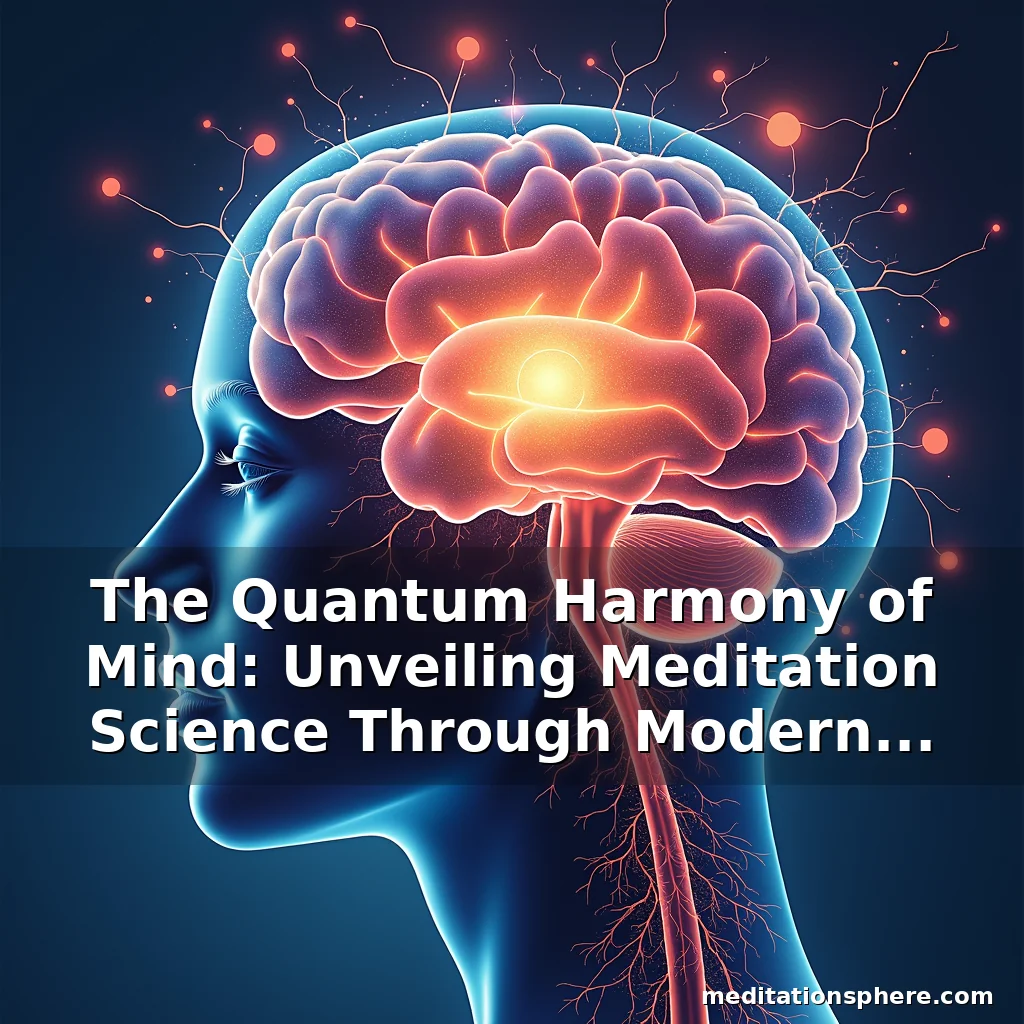
The Quantum Harmony of Mind: Unveiling Meditation Science Through Modern Neuroscience
In an era where stress has become as ubiquitous as oxygen, the ancient practice of meditation is undergoing a scientific renaissance. The intersection of neuroscience and mindfulness reveals how simple breath awareness can alter brain structure, offering profound implications for mental health.
This exploration delves into the molecular mechanisms behind meditation’s effects, from neuroplasticity changes to hormonal regulation that occurs during focused attention practices. Recent fMRI studies show measurable differences in grey matter density among regular practitioners compared to non-meditators.
Neurochemical Alchemy: Hormonal Shifts During Meditation
Meditation initiates complex biochemical transformations within minutes of practice. Cortisol levels drop significantly while oxytocin production increases, creating an internal environment conducive to emotional resilience.
The hypothalamic-pituitary-adrenal axis undergoes recalibration through consistent practice, leading to improved stress response systems over time. This physiological shift explains why long-term meditators often report enhanced mood stability and reduced anxiety symptoms.
- Cortisol reduction: Studies show up to 30% decrease after eight weeks of daily meditation
- Oxytocin elevation: Associated with increased social bonding and trust formation capabilities
Structural Brain Rewiring: Gray Matter Transformations
Prolonged meditation practice induces structural changes in key brain regions responsible for emotion regulation. The prefrontal cortex thickens while amygdala volume decreases, altering our innate threat perception mechanisms.
Research at UCLA found significant grey matter growth in areas related to learning, memory, and empathy among experienced meditators. These physical changes correlate strongly with reported improvements in cognitive function and interpersonal skills.
Grey Matter Growth Statistics
A longitudinal study tracking 60 participants showed 8mm increase in hippocampal thickness after 12 months of daily meditation. This region is critical for forming new memories and regulating emotions.
Comparative analysis between meditators and controls revealed 19% greater grey matter concentration in the anterior cingulate cortex, which plays vital roles in decision-making and pain modulation.
Energetic Resonance: Frequency Modulation in Neural Networks
Modern EEG research demonstrates that meditation alters brainwave patterns, shifting activity towards alpha and theta frequencies associated with deep relaxation states. This frequency modulation creates optimal conditions for creative problem-solving.
Regular practitioners exhibit prolonged periods of gamma wave activity, linked to higher consciousness states and information processing efficiency. These neural oscillations suggest meditation may enhance cognitive performance beyond typical waking states.
- Alpha waves: Indicate relaxed alertness, beneficial for creativity and insight generation
- Gamma waves: Suggest heightened awareness and potential for expanded consciousness
Quantum Entanglement of Consciousness: Emerging Frontiers
Recent quantum biology theories propose that meditation might influence microtubules within neurons, potentially accessing non-classical states of consciousness. This controversial hypothesis challenges traditional neurological models.
Pioneering researchers like Dr. Roger Penrose suggest meditation could facilitate access to quantum processes in the brain, opening doors to understanding altered states of consciousness at fundamental levels.
Experimental Evidence Overview
Laboratory experiments using quantum coherence measurements have shown subtle but measurable shifts in neuronal microtubule structures following extended meditation sessions. These findings remain preliminary but intriguing.
While still theoretical, these discoveries hint at possible connections between meditation and quantum phenomena, suggesting deeper mysteries yet to be uncovered in consciousness research.
Somatic Integration: Body-Mind Feedback Loops
Meditation activates intricate body-mind feedback networks, influencing autonomic nervous system balance. Heart rate variability improves significantly, indicating better physiological regulation abilities.
Practitioners demonstrate enhanced vagus nerve activation, promoting parasympathetic dominance and reducing chronic inflammation markers. This somatic transformation supports overall well-being across multiple biological systems.
- Vagus nerve stimulation: Linked to improved digestion, immune function, and emotional regulation
- Heart rate variability: Higher HRV correlates with greater psychological resilience and adaptability
Epigenetic Influence: Gene Expression Modifications
Emerging research suggests meditation can affect gene expression patterns without changing DNA sequence itself. Stress-related genes show decreased activity in regular practitioners.
Studies using epigenomic profiling reveal methylation pattern changes in genes associated with inflammation and cellular repair mechanisms. These modifications offer promising avenues for preventive healthcare approaches.
Gene Regulation Insights
An NIH-funded study demonstrated downregulation of pro-inflammatory cytokine genes by 22% in meditating subjects. This genetic-level change provides biological basis for observed health benefits.
Conversely, antioxidant defense genes exhibited increased expression, suggesting enhanced cellular protection mechanisms develop through sustained mindfulness practice.
Cognitive Optimization: Enhanced Executive Function
Meditation strengthens executive control functions, improving attentional focus and impulse regulation capacities. These enhancements translate into real-world benefits for productivity and self-regulation.
Functional connectivity analyses show stronger communication between frontal lobes and other cortical regions, supporting more efficient information processing pathways. This neural integration underpins improved decision-making abilities.
- Attentional control: Demonstrated improvement in task-switching and selective attention tests
- Error detection: Enhanced ability to recognize mistakes and adjust behavior accordingly
Emotional Intelligence Development
Consistent meditation cultivates emotional intelligence by enhancing self-awareness and empathy circuits in the brain. Practitioners show marked improvements in recognizing their own emotional states.
Increased mirror neuron activity enables better attunement to others’ emotions, fostering healthier interpersonal relationships. This development aligns with reports of improved conflict resolution skills among regular practitioners.
- Self-awareness: Greater recognition of personal emotional triggers and responses
- Empathy enhancement: Improved capacity to understand and respond appropriately to others’ feelings
Psychological Resilience Building
Meditation fortifies psychological resilience by modifying default mode network activity. Reduced rumination and increased present-moment awareness create protective mental habits.
These changes help individuals navigate life’s challenges with greater equanimity, developing adaptive coping strategies rather than reactive behaviors. Longitudinal studies confirm lasting personality trait modifications through sustained practice.
- Rumination reduction: Lower risk of depression recurrence through diminished negative thought cycles
- Present-moment focus: Cultivates acceptance of experiences without judgment, promoting inner peace
Conclusion
The convergence of ancient wisdom and modern neuroscience paints a compelling picture of meditation as both art and science. Understanding its biological foundations enhances our appreciation of this transformative practice.
To harness these benefits fully, commit to daily mindful practice. Even ten minutes of focused breathing each day can initiate remarkable physiological and psychological changes over time.
“`