The Art of Sitting Still: Exploring Meditation Postures Through Time and Tradition
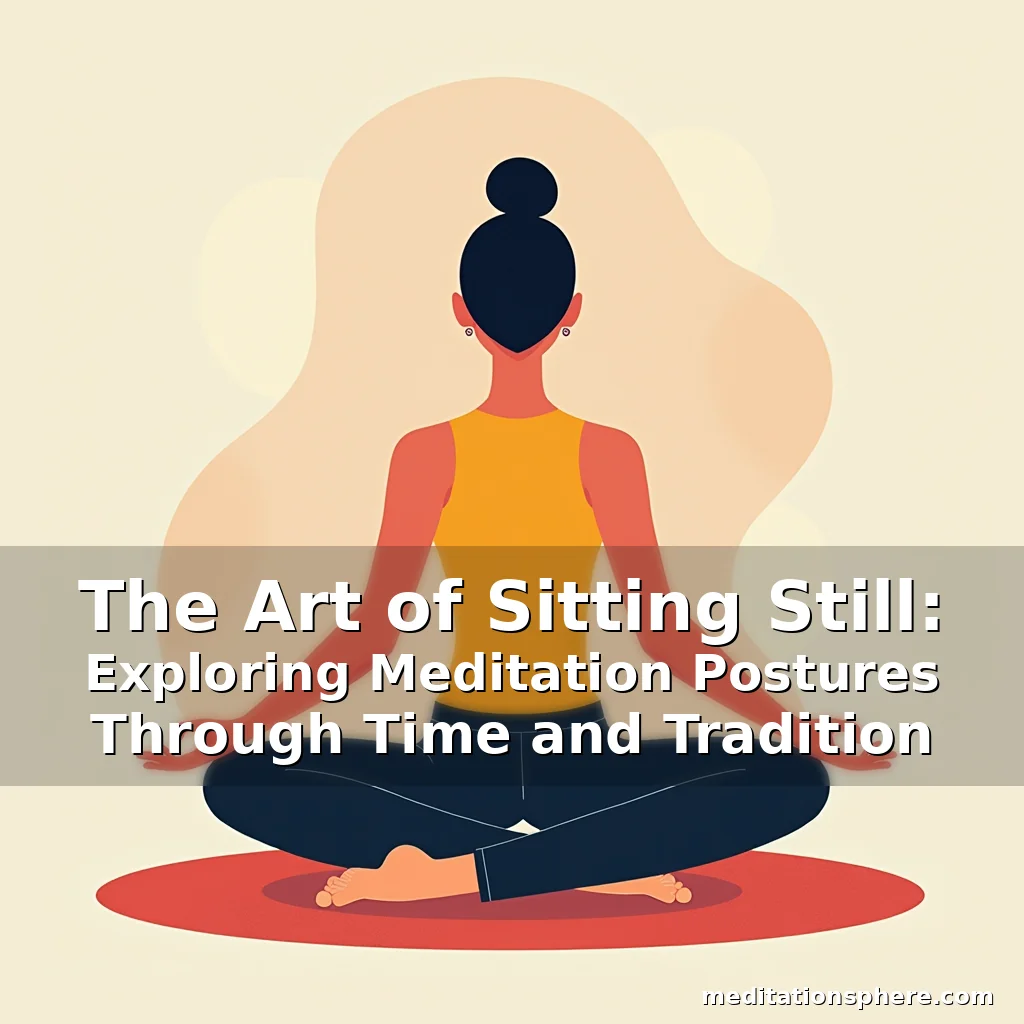
The Art of Sitting Still: Exploring Meditation Postures Through Time and Tradition
In a world that rarely pauses, meditation offers a sanctuary of stillness—a space where we can reconnect with ourselves beyond the noise of daily life. Central to any meaningful meditation practice is posture, often overlooked yet profoundly influential in shaping our experience. Whether you’re new to mindfulness or an experienced practitioner, understanding how your body sits during meditation can transform not only the quality of your sessions but also their long-term benefits.
Meditation postures are not merely about comfort; they form the foundation upon which mental clarity and emotional stability rest. From ancient traditions rooted in yoga and Zen Buddhism to modern adaptations designed for contemporary lifestyles, there’s a wealth of knowledge waiting to deepen your practice. Let’s embark on an exploration of these essential positions that have guided countless seekers toward inner peace over centuries.
The Foundations of Effective Meditation Posture
A well-chosen meditation posture supports both physical alignment and mental focus by creating conditions conducive to deep relaxation while maintaining alertness. This balance ensures that practitioners remain present without becoming distracted by bodily discomforts such as stiffness or fatigue.
Proper posture allows energy to flow freely through the body, enhancing concentration levels significantly. When seated correctly, individuals tend to notice subtle shifts within themselves more easily—an invaluable aspect when cultivating awareness during meditation sessions.
To achieve optimal positioning, consider placing cushions under your hips so that knees gently touch the floor rather than being forced upward unnecessarily. This adjustment helps maintain spinal integrity without straining leg muscles excessively.
- Spinal Alignment: Keeping the spine naturally straight prevents slouching, which might lead to drowsiness or agitation during prolonged periods of sitting.
- Grounded Base: Feet planted firmly on the ground provides stability against wobbling movements that could disrupt concentration efforts.
It’s crucial to recognize that finding one’s ideal seating arrangement may require some experimentation based on individual anatomy differences—what works perfectly for someone else might cause undue stress elsewhere in another person’s frame.
Traditional Postures Rooted in Ancient Wisdom
Across cultures and eras, various traditional postures have emerged from spiritual practices aimed at facilitating deeper states of consciousness. These include but aren’t limited to lotus pose (Padmasana), half-lotus (Ardha Padmasana), and Burmese position commonly used across Southeast Asia.
Each traditional posture carries symbolic significance tied closely to its cultural context while offering distinct advantages tailored towards particular types of meditation techniques. For instance, adopting full lotus pose enhances grounding effects due to its symmetrical nature compared to other asymmetrical variations.
Historically, many monks would spend years perfecting their chosen seat before embarking on serious contemplative work because mastery over one’s physical form was seen as integral preparation for unlocking higher realms of insight.
Cultural Significance Behind Specific Positions
Beyond mere functional aspects, certain postures hold profound meanings within specific religious frameworks. In Hinduism, Vajrasana represents purity and discipline associated with deity Vajra—the indestructible diamond symbolizing ultimate truth.
Similarly, Buddhist communities frequently use Sukhasana (‘easy’ pose) among novices since it requires minimal flexibility yet still promotes good breathing patterns necessary for effective visualization exercises common in Tibetan traditions.
This connection between physical orientation and philosophical principles underscores why adherents often stick strictly to prescribed forms even amidst evolving societal norms regarding personal expression today.
Such reverence extends globally too; Japanese Zen monasteries emphasize Seiza (kneeling style) not only out of respect towards ancestors who practiced similarly but also because this low-to-the-ground stance facilitates quicker transitions between active engagement and complete withdrawal required during intensive retreats.
Modern Adaptations Catering Diverse Needs
While honoring age-old customs remains vital, contemporary approaches now prioritize inclusivity ensuring everyone regardless of age, ability level, or lifestyle preferences finds suitable options available. Innovations range from ergonomic chairs specifically engineered for mindful sitting to innovative cushion designs promoting better circulation around joints prone to pressure points.
One notable advancement includes adjustable height benches allowing users to customize elevation according to their natural hip flexion angles thereby reducing strain typically encountered by those accustomed to Western-style furniture setups.
Additionally, standing meditation has gained traction recently especially amongst office workers seeking relief from sedentary habits without sacrificing core tenets underlying authentic meditative experiences.
These developments reflect broader trends emphasizing accessibility making once exclusive rituals increasingly relevant across wider demographics including children learning early coping mechanisms alongside elderly populations aiming regain mobility lost over time.
Evaluating Your Personal Comfort Zone
Before settling permanently onto any given platform, take time assessing what feels genuinely comfortable rather than following rigid prescriptions blindly. Pay attention closely to signals emanating from different parts of your anatomy particularly focusing areas like lower back region known hotspots for tension buildup.
If experiencing persistent pain despite repeated attempts adjusting padding layers appropriately consult professionals skilled in biomechanics whose expertise could reveal hidden imbalances affecting overall equilibrium during extended meditation stints.
Remember too that progress comes gradually—initially concentrating solely on minor improvements instead expecting immediate perfection fosters sustainable growth rather than discouragement arising from unrealistic expectations set prematurely.
Experiment cautiously trying alternative configurations until discovering configuration most harmonious with unique physiological makeup guaranteeing consistency across regular sessions without triggering unwanted muscular compensations later down line.
Techniques to Enhance Stability & Focus During Sessions
Once settled comfortably, employing additional strategies bolsters chances achieving desired outcomes consistently. Begin by anchoring yourself mentally through visualization exercises imagining roots extending downward connecting deeply embedded within earth beneath reinforcing sense of security essential before letting mind wander freely upwards toward skyward expanses representing limitless potential awaiting discovery.
Focusing breath becomes pivotal here directing attention inwardly monitoring rhythm without attempting control thereof simply observing sensations rising up chest cavity then descending abdomen forming rhythmic cycle mirroring heartbeat itself serving dual purpose calming nervous system simultaneously sharpening perceptual acuity.
Periodically scanning body systematically starting toes moving progressively upward identifies emerging tightness enabling preemptive adjustments preventing escalation into chronic issues disrupting flow between thought processes and sensory input streams.
Integrating gentle muscle activations sporadically maintains dynamic equilibrium counteracting gravitational pull threatening collapse into passive slumping characteristic sleepiness induced by overly relaxed postures lacking sufficient stimulation sustaining wakefulness throughout duration intended session length.
Tips for Maintaining Proper Form Throughout Extended Practice
Prolonged durations necessitate careful management ensuring neither excessive rigidity nor laxity compromise structural integrity compromising effectiveness altogether. Regular micro-adjustments every few minutes realign skeletal framework mitigating cumulative damage inflicted by static loads borne continuously over lengthy intervals.
Employing soft tissue mobilization techniques periodically eases accumulated knots residing near lumbar vertebrae zone particularly susceptible vulnerability exacerbated further by poor ergonomics found prevalent environments outside dedicated meditation spaces.
Hydration plays critical role maintaining pliability tissues crucial flexible movement preserving vitality throughout entire musculoskeletal network contributing indirectly towards successful execution complex sequences requiring precise coordination between multiple joints working synergistically together.
Lastly don’t forget importance adequate pre-session stretching routines priming neuromuscular pathways enhancing responsiveness required executing intricate maneuvers seamlessly transitioning smoothly between various stages comprising holistic approach embracing both internal and external dimensions equally valued components whole endeavor.
Common Mistakes to Avoid While Practicing Meditation Postures
Newcomers often fall prey several misconceptions impacting negatively on efficacy otherwise promising routine. One widespread error involves prioritizing aesthetic appearance above practical considerations resulting suboptimal performance despite visually appealing arrangements.
Excessive force applied forcing limbs into unnatural shapes creates unnecessary resistance impeding free flow energies meant circulating unimpeded through channels designated chakric systems central to many Eastern philosophies advocating balanced distribution power sources evenly distributed throughout corporeal vessel housing spirit essence temporarily housed therein.
Conversely insufficient effort leading partial completion gestures diminishes potency potentially rendering subsequent attempts futile unless corrected promptly restoring initial momentum lost through hesitation caused uncertainty surrounding correct procedure implementation.
Furthermore neglecting preparatory measures such warming up thoroughly prior commencement increases likelihood injury occurring especially among beginners unfamiliar with subtleties involved managing delicate structures properly without causing harm unintentionally.
Conclusion
Understanding and refining one’s meditation posture unlocks significant potential transforming ordinary moments into extraordinary journeys toward self-discovery. By aligning body with intention we create fertile ground nurturing seeds sown intentions cultivated patiently overtime yielding fruits manifesting visibly altered perspectives enriched insights reshaping lives positively impacted enduringly.
Whether exploring ancient wisdom passed generations forward or adapting modern solutions crafted addressing current needs remember always listen intently messages conveyed through physical sensations guiding choices ultimately determining success rate achieved goals pursued relentlessly along winding path traversed diligently each day anew.